
Unraveling the intriguing history of casinos From ancient roots to modern gaming
The Origins of Gambling
The history of gambling dates back thousands of years, originating in ancient civilizations like China, Egypt, and Rome. Archaeological evidence suggests that gambling activities were prevalent as early as 2300 BC, with the use of dice made from animal bones. In these early societies, games of chance were often linked to religious rituals and were seen as a method to commune with the divine. This intrinsic relationship between gambling and spirituality laid the groundwork for the evolution of games we recognize today, including popular football betting sites.
As these ancient societies evolved, so did their gambling practices. The Chinese, for example, developed games like Keno, which is still popular today. In ancient Rome, gambling was a common leisure activity among citizens, with the establishment of betting on gladiatorial contests and chariot races. This laid the foundational elements of competition and chance that would eventually define modern casinos.
Over time, gambling spread across continents, intertwining with various cultures. The concept of betting evolved, reflecting social norms and values. Medieval Europe saw the rise of gambling houses, where the wealthy engaged in games of chance. These developments were crucial, as they signaled the transition from informal betting to organized gambling establishments, paving the way for the first casinos.
The Birth of the Casino
The first official casino, known as the Casino di Venezia, was established in Venice, Italy, in 1638. This marked a significant turning point in the world of gambling, as it transformed casual betting into a more structured and regulated environment. The Casino di Venezia offered a variety of games, attracting the aristocracy and wealthy merchants. It was a social hub, where individuals gathered not only to gamble but also to socialize, dine, and enjoy entertainment.
As gambling gained popularity, the concept of casinos spread across Europe. The establishment of Casino Royale in Monte Carlo in the 19th century epitomized luxury and opulence in gaming, attracting elite clientele from all over the world. This evolution in casino design emphasized lavish interiors and sophisticated games, setting a standard that many modern casinos still aspire to achieve.
The rise of casinos also prompted the introduction of various games such as roulette, poker, and blackjack, which became staples in the gambling world. The allure of chance combined with the excitement of social interaction created a unique atmosphere that established casinos as iconic entertainment venues. By the late 19th century, the casino landscape had evolved dramatically, laying the groundwork for the modern gaming industry.
Casinos in the 20th Century
The 20th century marked a new era for casinos, particularly in the United States. The prohibition of alcohol in the 1920s led to the emergence of speakeasies, which often included illegal gambling operations. This underground movement highlighted the resilience of gambling culture and paved the way for future legalization and regulation. The legalization of casinos in Nevada in 1931 was a watershed moment, setting the stage for Las Vegas to become the gambling capital of the world.
Las Vegas quickly transformed into a glittering oasis of entertainment, with lavish resorts offering an array of gaming options. The introduction of neon lights and extravagant shows created a unique identity for Las Vegas, attracting millions of tourists. The city became synonymous with glamour and indulgence, influencing the global perception of casinos and shaping popular culture through films, music, and fashion.
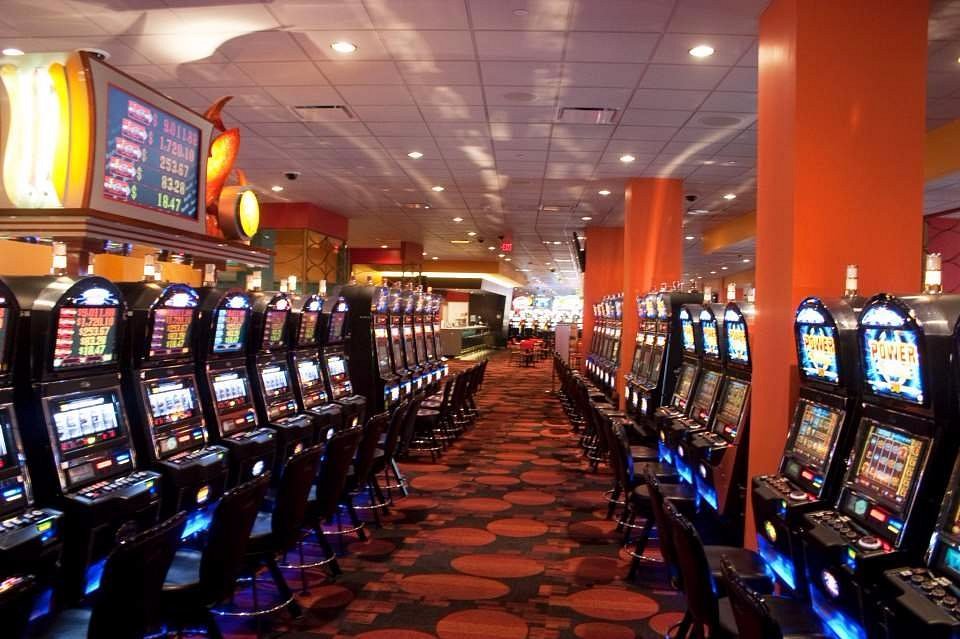
During this time, the casino industry experienced significant technological advancements. The invention of slot machines in the early 20th century revolutionized gambling, making it accessible to a broader audience. This innovation led to the development of modern gaming technology, including electronic gaming machines and online platforms, transforming the landscape of gambling as we know it.
The Modern Casino Experience
Today’s casinos have evolved beyond mere gambling establishments; they are multifaceted entertainment complexes that offer a plethora of experiences. Modern casinos often feature luxury hotels, gourmet restaurants, shopping venues, and live entertainment, catering to a diverse clientele. This transformation has redefined the casino experience, attracting not only avid gamblers but also families and tourists seeking leisure activities.
The integration of technology has further revolutionized the casino landscape. With the advent of online gambling, players can now enjoy their favorite games from the comfort of their homes. Mobile gaming applications have also gained immense popularity, allowing for a seamless betting experience. This shift has expanded the reach of casinos beyond traditional brick-and-mortar establishments, increasing accessibility and engagement.
Moreover, responsible gambling initiatives and regulation have become critical components of the modern casino industry. Recognizing the potential risks associated with gambling, many establishments now prioritize player safety, offering resources for responsible gaming. This focus on ethical practices reflects the industry’s commitment to fostering a sustainable and enjoyable gaming environment for all patrons.
The Future of Casinos
As we look to the future, the casino industry is poised for further innovation and growth. With advancements in technology, such as virtual reality and blockchain, casinos are exploring new ways to enhance the gaming experience. Virtual reality casinos, for instance, may provide immersive environments where players can interact with others in real-time, bridging the gap between online and physical gaming.
Furthermore, the rising trend of legalized sports betting is reshaping the landscape of gambling. As more states and countries embrace regulated betting markets, the potential for growth in this sector is substantial. Sportsbooks are becoming a staple in casinos, offering fans an exciting way to engage with their favorite sports while enjoying the traditional casino experience.
In conclusion, the history of casinos is a fascinating journey that reflects the evolution of society’s relationship with gambling. From ancient rituals to modern gaming technology, casinos have continually adapted and transformed. As we enter a new era of gaming, the future of casinos looks promising, filled with potential for innovation and excitement.

Your Guide to Casinos
Our comprehensive website serves as a valuable resource for anyone interested in the world of casinos and gambling. Whether you are a novice exploring the basics or an experienced player seeking advanced strategies, we provide in-depth articles and guides tailored to your needs. Our team of experts meticulously evaluates various casino offerings, ensuring you have access to the latest information and trends in the industry.
We understand that navigating the world of casinos can be overwhelming, which is why we strive to make your experience seamless and enjoyable. From understanding game rules to exploring different betting options, our content is designed to empower you to make informed decisions. Join us as we delve into the intriguing history and future of casinos, equipping you with the knowledge to enhance your gaming experience.